Tune in to our podcast series: The Dental Board Room
Listen Now

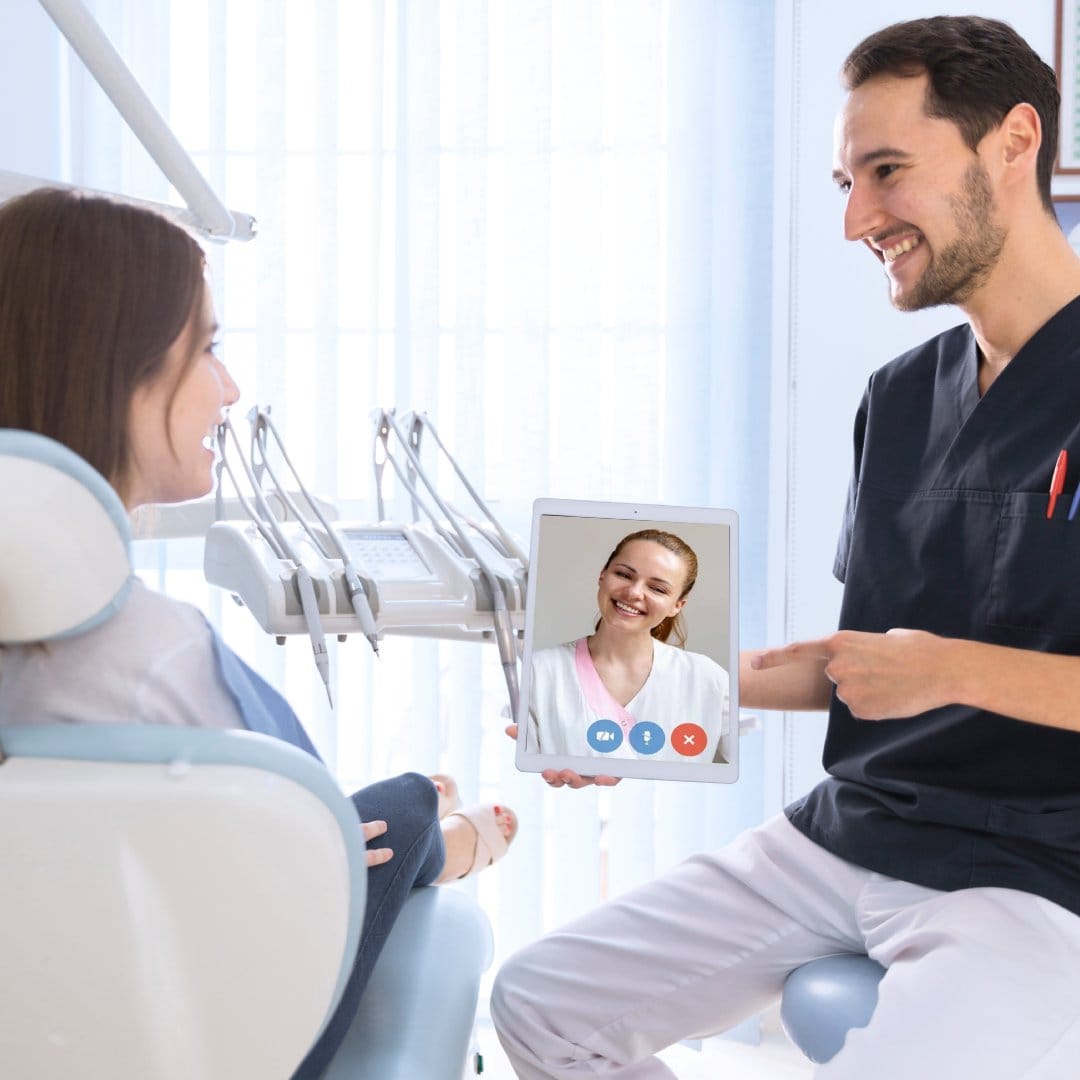
Dental education has changed dramatically in recent years. With new technologies, digital platforms, and changing schedules, dentists now have more ways than ever to improve their clinical skills. Traditional hands-on workshops have long been a core part of professional development, but online learning has quickly gained popularity across the dental industry.
As a result, many dentists now ask an important question: Is online dental training enough, or do hands-on workshops still provide greater value?
Both approaches offer unique benefits. Understanding the strengths and limitations of each can help dentists choose the most effective learning strategy for improving their skills and growing their practices.
Online education has expanded rapidly in many industries, including dentistry. Digital learning platforms allow dentists to access lectures, clinical demonstrations, and training modules from their computer or mobile device.
For many dental professionals, this accessibility makes continuing education much easier to fit into their busy schedules.
Dentists often work long clinical hours during the day, making it difficult to travel for traditional courses. Online platforms allow them to review training materials during evenings, weekends, or even short breaks throughout the day.
Online learning offers several advantages for dentists:
These benefits make online education a valuable tool for dentists who want to continue developing their knowledge without interrupting their daily practice.
While online learning provides convenience and accessibility, it has limitations when it comes to developing clinical techniques. Dentistry is a highly practical profession where precision and hands-on skill are essential.
Watching a video of a procedure can help dentists understand the process, but it does not provide the same experience as performing the procedure themselves.
Without direct feedback from experienced instructors, dentists may struggle to refine their techniques or identify mistakes.
For this reason, many dentists still rely on in-person workshops to strengthen their clinical skills.
Hands-on training allows dentists to practice procedures in a controlled environment while receiving guidance from experienced clinicians. These workshops often involve live demonstrations followed by supervised practice.
This approach allows dentists to ask questions, receive immediate feedback, and refine their techniques.
Hands-on training provides several advantages that online education alone cannot replicate:
These experiences help dentists move beyond theory and develop real clinical expertise.
| Feature | Online Dental Training | Hands-On Dental Training |
| Learning Method | Digital modules, videos, and lectures | In-person workshops and supervised practice |
| Flexibility | Learn anytime and from anywhere | Requires scheduled attendance and travel |
| Skill Development | Focuses on theory and procedure understanding | Focuses on practicing techniques and clinical skills |
| Instructor Interaction | Limited interaction with instructors | Direct feedback from experienced clinicians |
| Cost | Usually lower due to no travel or accommodation | Higher due to travel, course fees, and time away from practice |
| Practical Experience | Limited hands-on experience | Real practice with tools, materials, and techniques |
| Best Use | Learning concepts and reviewing procedures | Refining techniques and gaining clinical confidence |
Both learning methods provide important benefits, which is why many dental education programs now combine them into a blended learning experience.
Learning in dentistry often requires repetition. Understanding a procedure conceptually is only the first step toward mastering it.
Dentists typically begin by learning the theory behind a procedure, often through lectures, videos, or reading materials. However, true mastery develops through repeated practice.
Hands-on workshops allow dentists to apply what they have learned and refine their techniques through direct experience.
Over time, repeated practice helps dentists become more efficient and confident when performing procedures in their own practices.
Because both online and hands-on training offer valuable benefits, many modern dental education systems now use a blended learning model.
Blended learning combines digital education with practical workshops. Dentists can first study procedures online and then practice those techniques during hands-on sessions.
A typical blended learning approach may include:
This combination allows dentists to prepare before attending workshops, making the hands-on experience more productive.
Education does more than teach new procedures. It also helps dentists improve efficiency in procedures they already perform.
When dentists refine their techniques, they often complete treatments more smoothly and confidently. This efficiency can improve patient experiences while helping practices operate more effectively.
Improved clinical efficiency may lead to:
Even small improvements in technique or workflow can significantly impact practice performance.
Every dentist learns differently. Some may prefer starting with online education to build foundational knowledge, while others may prefer hands-on workshops to refine clinical techniques.
In most cases, combining both approaches produces the best results.
Online learning provides flexibility and accessibility, while hands-on training offers the practical experience necessary to master procedures.
By using both methods together, dentists can create a more effective and comprehensive learning experience.
Dental education continues to evolve as new technologies make learning more accessible. Online training provides flexibility and convenient access to knowledge, while hands-on workshops remain essential for developing clinical skills.
Rather than choosing one method over the other, dentists often benefit most from a blended learning approach. Combining online education with practical experience allows dentists to strengthen their skills, improve efficiency, and deliver better patient care.
In a competitive dental industry, continuous learning is essential. Dentists who invest in both knowledge and practical training position themselves for long-term professional success.Better clinical skills lead to stronger practices. PracticeCFO helps dentists turn practice growth into long-term financial success.
Listen to Episode 144 of The Dental Boardroom Podcast:



Wes knows what's best for dental practices. He's been doing this for a long time and he sees lots of practices. He can tell me how our practice is doing, and what we can do to increase our productivity. With past CPA's, there were no ideas. It was all coming from me, saying "I think I can do better, but I don't know how." I come in to meet with Wes and he says "You CAN do better, and I know how."
PracticeCFO is in hundreds of dental offices around the country. They know what numbers should look like. They know what percentages of payroll, rent and supplies should be, and they will hold you accountable to those numbers, which will really help you stick to your plan and your path of growth and savings. That is invaluable
Whenever something comes up, whether it's building or practice related and we weren't sure where the numbers would go, PracticeCFO has been instrumental in helping us figure that out. I can't say enough of how important that is - that it goes beyond that initial partnership. They make sure this business marriage works.
When I go home from work, I don't spend a whole lot of time stressing about what my books look like, or how much I owe in taxes. By using PracticeCFO, the burden of keeping track of a lot of the big financial numbers and metrics are taken off my plate.
PracticeCFO helped me develop a plan for the future. I have colleagues that work with other accountants that don't have a plan - they just look at the numbers of the practice and that's it. There's no plan for 10, 20 years from now. But with PracticeCFO, you get that. PracticeCFO makes you feel like you're they're only client.
(In reference to his practice sale) What could've been super stressful, wasn't! When picking John and Wes, it was from word of mouth recommendations and other people's experiences from the past that really did it for me. And it turns out that those recommendations were right on the line.
Wes knows the business side of dentistry. His comprehensive plan will organize your personal and professional finances so you can focus on taking care of patients. Massive ROI.
I can’t say enough good things about everyone at PracticeCFO. Everyone on the team is professional, organized, knowledgeable, helpful and kind. They also respond to emails and phone calls immediately and are always happy to help. They have helped me navigate year-to-year as a business owner. PracticeCFO gives me peace of mind that my business is in good hands.
I love Practice CFO! They have helped me obtain a practice and maintain a practice. They are incredible people who are on top of everything and make owning and running the business portion of a practice easy. They couldn’t be better for my business and my sanity. They have every detail of the business and taxes taken care of where all I have to do is show up and follow their easy steps to success!
Practice CFO has the best tools I’ve seen for personal tax and financial planning in addition to top-tier corporate tax and accounting services. I have been very pleased with the level of quality service. They manage my monthly bookkeeping and accounts payable. It is a great system and saves me a ton of time, and it allows us to have monthly financial statements within a week of month end.

This will close in 0 seconds